Our foresight-based research has sought to answer some of the most interesting questions about the future.
Research themes
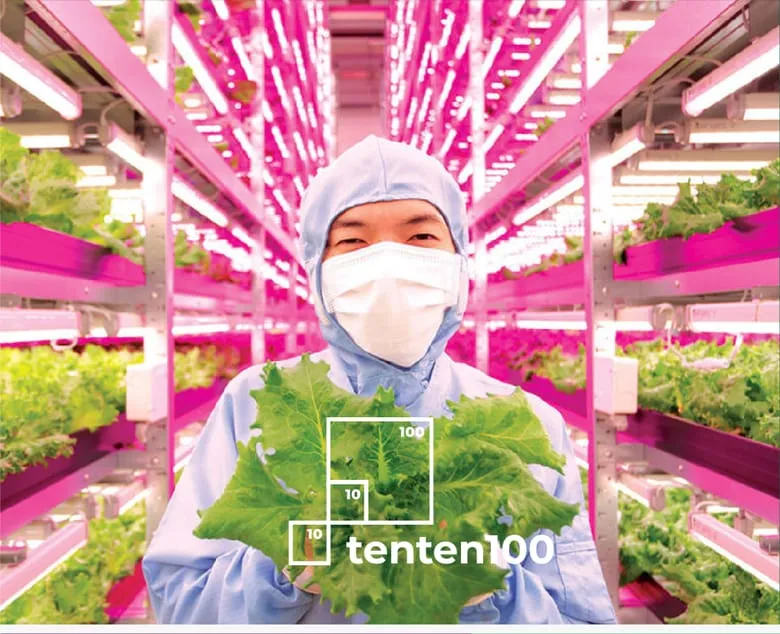
Feeding the Planet
Can an increasingly hungry and thirsty planet be fed equitably and sustainably?
know more about Feeding the PlanetSpace Exploration
What should my country's ambitions for the space sector be over the next 30 years?
know more about Space Exploration
The New Age 'Third Age'
What will the new opportunities be in an ageless society?
know more about The New Age 'Third Age'
Nature's Capital
What might our world look like if nature's capital had equal economic value to domestic production?
know more about Nature's Capital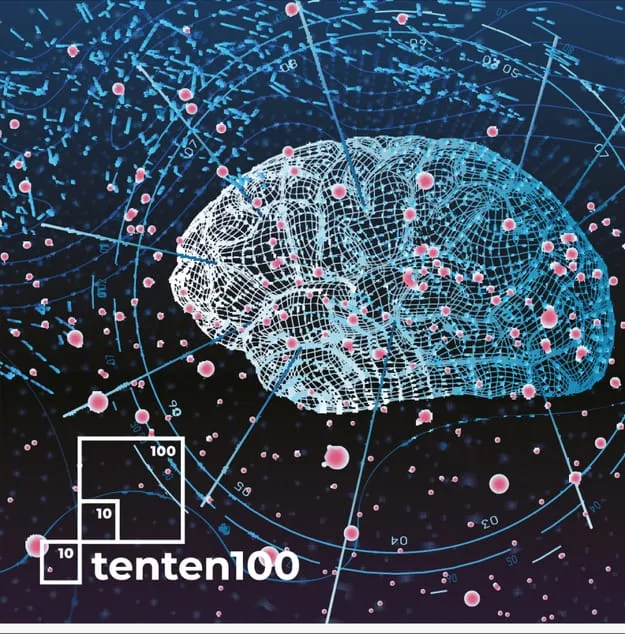
Neuro-Capitalism
Brain data: a new sector ripe for commercialization, or the shocking infringement of the last frontier for privacy?
know more about Neuro-Capitalism
Future of Cancer
Does human ingenuity have what it takes to envision and work towards an end to cancer?
know more about Future of CancerFeeding the Planet
Can an increasingly hungry and thirsty planet be fed equitably and sustainably?
Projections for 2050 show that the world might have a 60% calorie deficit if it has to feed 9 billion people. Furthermore, the link with water, an already stressed and scarce commodity that is needed for food production, creates an amplified crisis.
As we move towards brighter and desired futures, the questions we have to ask are:
- How far can innovative food technologies alleviate the problem?
- If we create systems to address global misallocation and food waste, to what extent can we solve real problems that already exist today?
- What are the scenarios in which world hunger is eradicated?
Space Exploration
What should my country's ambitions for the space sector be over the next 30 years?
We live in a world where governments, corporations and even individuals are reaching for the moon, the stars and beyond. Space is now crowded — in terms of opportunity, in terms of concepts and physically, with all manner of satellites and debris whizzing by each other. There is no space race anymore, because the new objectives and the landscape of players have expanded almost exponentially.
Looking forward, what might meaningful space ambitions resemble?
- Studying and redefining new roles for government, international cooperation and private companies in space exploration
- Mapping opportunity and competitive landscapes
- A cost-benefit valuation of a long-term space program
The New Age 'Third Age'
What will the new opportunities be in an ageless society?
By 2050, the world might have over 2 billion people aged 60+. Historically, senior citizens control a significant majority (over 80%) of the world's wealth. Contrary to conventional wisdom, entrepreneurial activity is the highest in the 55-64 age group. Globally, senior citizens will continue to be an important vote bank and consumer of services.
But as millennials and future generations turn 60:
- Will they be a production powerhouse as well?
- Will their skills and knowledge be effectively used?
- What is the role of healthcare and technology at large — living longer, or living better?
- How will they influence business, sociology and culture overall?
Nature's Capital
What might our world look like if nature's capital had equal economic value to domestic production?
Nature's capital is defined as the stock of renewable and non-renewable natural resources (e.g. plants, animals, air, water, soils, minerals) that combine to provide benefits to humanity. Natural capital has long been considered “free”, which allows us to take it for granted, but when climate change or pollution affects nature, economies are threatened too. The wealth of a nation or a business is more than just what people and machines can produce.
This research theme investigates what a reconfigured world would look like when nature's capital is taken into account:
- Elements of the new 'Web of Life': where humans, all nature's elements, and economic production all work in harmony
- What new economic and societal value drivers emerge?
Neuro-Capitalism
Brain data: a new sector ripe for commercialization, or the shocking infringement of the last frontier for privacy?
Your devices and wearables are collecting data on your organ functions. Implants have helped patients with paralysis to make things move, and will soon be able to control more bodily functions. Tech companies are actively (and successfully) working on reading your mind, and we have no control over the extent of the technologies' abilities.
'Mind-mining' will happen very soon, and many questions abound:
- Who gets access?
- Will my brain have rights?
- Who wins in an arms race?
- Can we create a new, thriving, and optimally-regulated sector?
Future of Cancer
Does human ingenuity have what it takes to envision and work towards an end to cancer?
Cancer is one of the world's biggest killers, accounting for 9.6 million deaths in 2018. However, just calling it a 'disease' doesn't do cancer justice. We all produce cancerous cells in our body everyday — but our immune system manages these. Cancer is better thought of as a condition where abnormal cells grow uncontrollably. It can happen anywhere in the body, and there are more than 200 types and sub-types. A future without cancer therefore might not necessarily mean eradication, but revisiting concepts such as incidence, mortality rates, prevention measures and access (to knowledge and care), in order to better understand success.
In 2050:
- What might the 'end of cancer' look like?
- What factors need to align to get there?
- How different might a world without cancer be?